
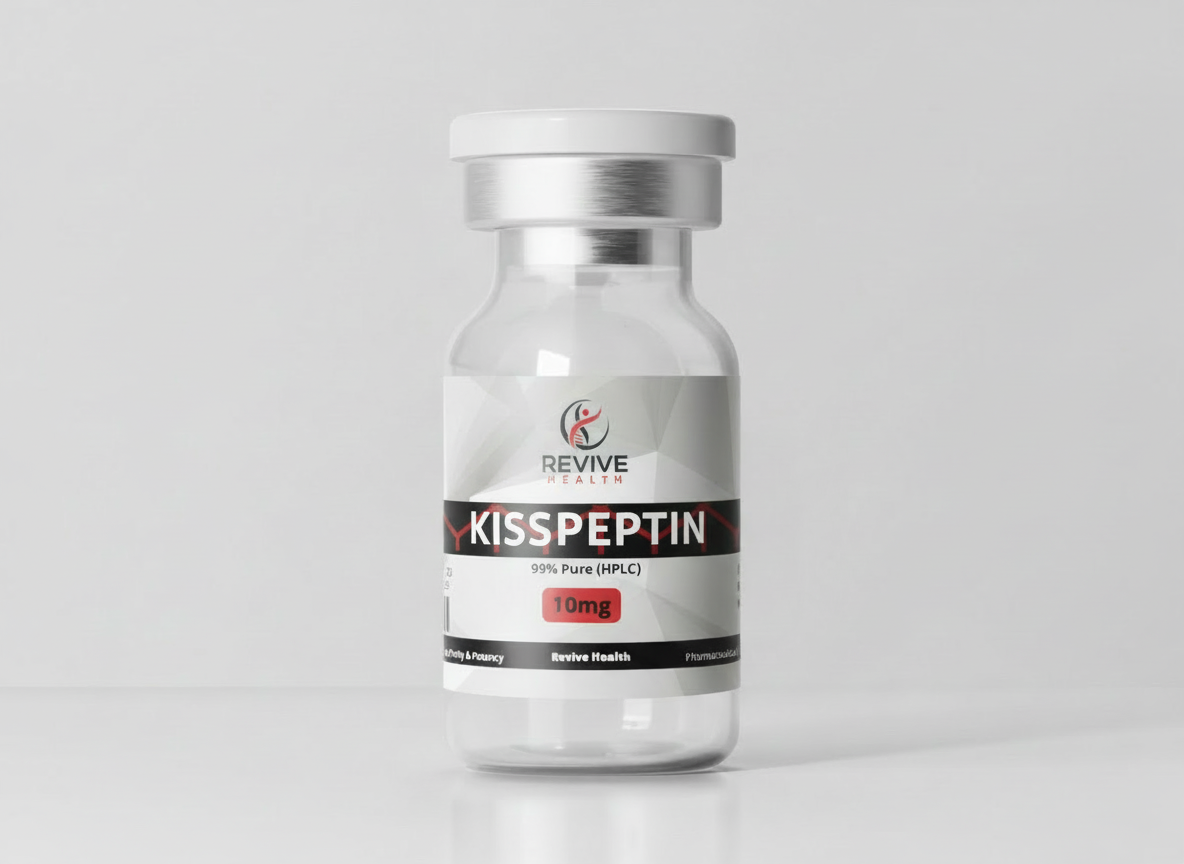
Kisspeptin 10MG
$109.00
Kisspeptin plays a critical role in reproductive hormone regulation by stimulating gonadotropin-releasing hormone (GnRH) secretion. It helps initiate puberty, regulate fertility, and maintain hormone balance in both men and women. Research suggests it may also have potential benefits in treating infertility and certain hormonal disorders.
YOU RECEIVE:
(1) Peptide bottle (freeze dried powder, not liquid)
*Peptides need to be mixed with bacteriostatic water to research
**NOT included- Syringes or Bacteriostatic Water (all peptides are research products)
***To learn more about your product and it’s applications, CLICK HERE
Availability: 61 in stock
Science Behind Kisspeptin
Kisspeptin is a naturally occurring peptide that plays a crucial role in regulating the release of gonadotropin-releasing hormone (GnRH), which in turn controls the release of reproductive hormones such as luteinizing hormone (LH) and follicle-stimulating hormone (FSH). It is produced primarily in the hypothalamus and acts on the hypothalamic-pituitary-gonadal axis, a system that governs sexual development, puberty, and fertility. Kisspeptin is particularly important for initiating puberty and maintaining normal reproductive function in both males and females. It works by binding to the KISS1 receptor, which is found on cells in the hypothalamus, stimulating the release of GnRH and promoting the subsequent release of LH and FSH, which regulate the function of the ovaries and testes.
Potential Side Effects
Kisspeptin has been studied primarily for its role in fertility and reproductive health, and it is generally considered safe in research settings when used appropriately. However, as with any peptide or hormone-related treatment, there may be some potential side effects, particularly with higher or unregulated doses. Side effects can include changes in mood, headaches, or dizziness, though these are rare. Because Kisspeptin stimulates the reproductive hormone system, there may be an increased risk of ovarian hyperstimulation in women or alterations in menstrual cycles if used improperly. Long-term safety studies are still needed to fully understand the potential risks associated with its use outside of controlled environments.
Known and Potential Benefits
Kisspeptin’s primary benefit is its ability to stimulate the release of GnRH, which regulates the reproductive hormone system, making it potentially useful for treating fertility issues, particularly in individuals with hypogonadotropic hypogonadism, a condition where the body doesn’t produce enough GnRH. In clinical studies, Kisspeptin has been shown to improve ovulation and sperm production, offering potential therapeutic benefits for people struggling with infertility. Additionally, Kisspeptin may have potential applications in controlling puberty onset, helping to address disorders of early or delayed puberty. Emerging research also suggests that Kisspeptin could have roles in regulating body weight, metabolic function, and even mood, though these potential benefits are still being explored in ongoing studies.
| Weight | 0.25 lbs |
|---|---|
| Dimensions | 13 × 1 × 11 in |
Related products
-
 Research Peptides
5-Amino-1MQ
Price range: $149.00 through $399.00 Select options This product has multiple variants. The options may be chosen on the product page -
-
Reviews
There are no reviews yet.