
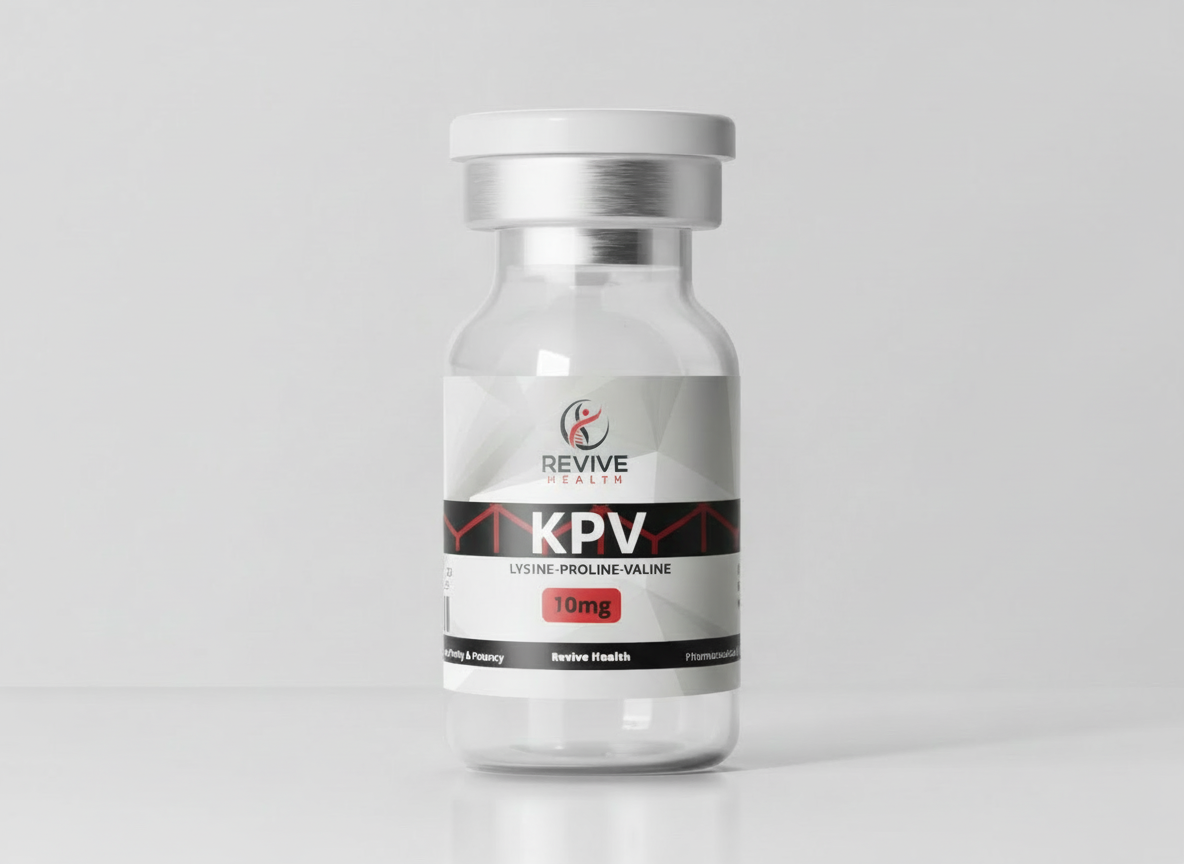
KPV 10mg
$79.00
KPV is a naturally occurring tripeptide derived from the alpha-melanocyte-stimulating hormone (α-MSH). It is named after the amino acids that make it K=Lysine, P=Proline, and V=Valine. It has strong anti-inflammatory and immune-modulating properties, making it useful for reducing gut inflammation, skin irritation, and autoimmune-related flare-ups. KPV helps calm overactive immune responses by blocking pro-inflammatory pathways like NF-κB and cytokine release. Because of this, it is being explored for conditions such as inflammatory bowel disease, skin disorders, and systemic inflammation.
YOU RECEIVE:
(1) Peptide bottle (freeze dried powder, not liquid)
*Peptides need to be mixed with bacteriostatic water to research
**NOT included- Syringes (all peptides are research products)
**Bacteriostatic water (all peptides are research products)
Availability: 51 in stock
Research Findings
KPV is a short tripeptide (Lysine–Proline–Valine) that originates from the larger hormone α-MSH (alpha-melanocyte-stimulating hormone). It works primarily by modulating inflammation and immune signaling. KPV binds to melanocortin receptors (especially MC1R) and also directly blocks key inflammatory pathways, such as NF-κB activation and cytokine release (e.g., TNF-α, IL-6). By calming these pathways, KPV helps reduce excessive immune responses, oxidative stress, and tissue irritation without broadly suppressing the immune system. This makes it a natural immune “balancer” rather than a blunt immune suppressant.
Because of its anti-inflammatory and tissue-protective effects, KPV has shown promise in multiple areas. It can reduce gut inflammation, making it useful for inflammatory bowel conditions and leaky gut. On the skin, KPV has been explored for eczema, psoriasis, and wound healing, due to its ability to calm irritation and speed tissue repair. Beyond localized inflammation, it may also provide systemic benefits, such as lowering autoimmune flare-ups, reducing oxidative stress, and improving overall recovery in the body. Its safety profile is considered favorable since it’s a natural peptide fragment with targeted effects.
Researchers are often combining KPV with other regenerative and anti-inflammatory peptides. For example, BPC-157 (for gut and tissue repair), TB-500 (for systemic healing), and GHK-Cu (for skin repair). It has the potential to be included in clinical “healing blends” designed for inflammation, gut health, and recovery.
| Weight | 0.25 lbs |
|---|---|
| Dimensions | 13 × 1 × 11 in |
Related products
-
 Gut Health
BPC-157
Price range: $69.00 through $219.00 Select options This product has multiple variants. The options may be chosen on the product page -
 Anti Aging
Tesamorelin
Price range: $129.00 through $244.00 Select options This product has multiple variants. The options may be chosen on the product page -
Reviews
There are no reviews yet.